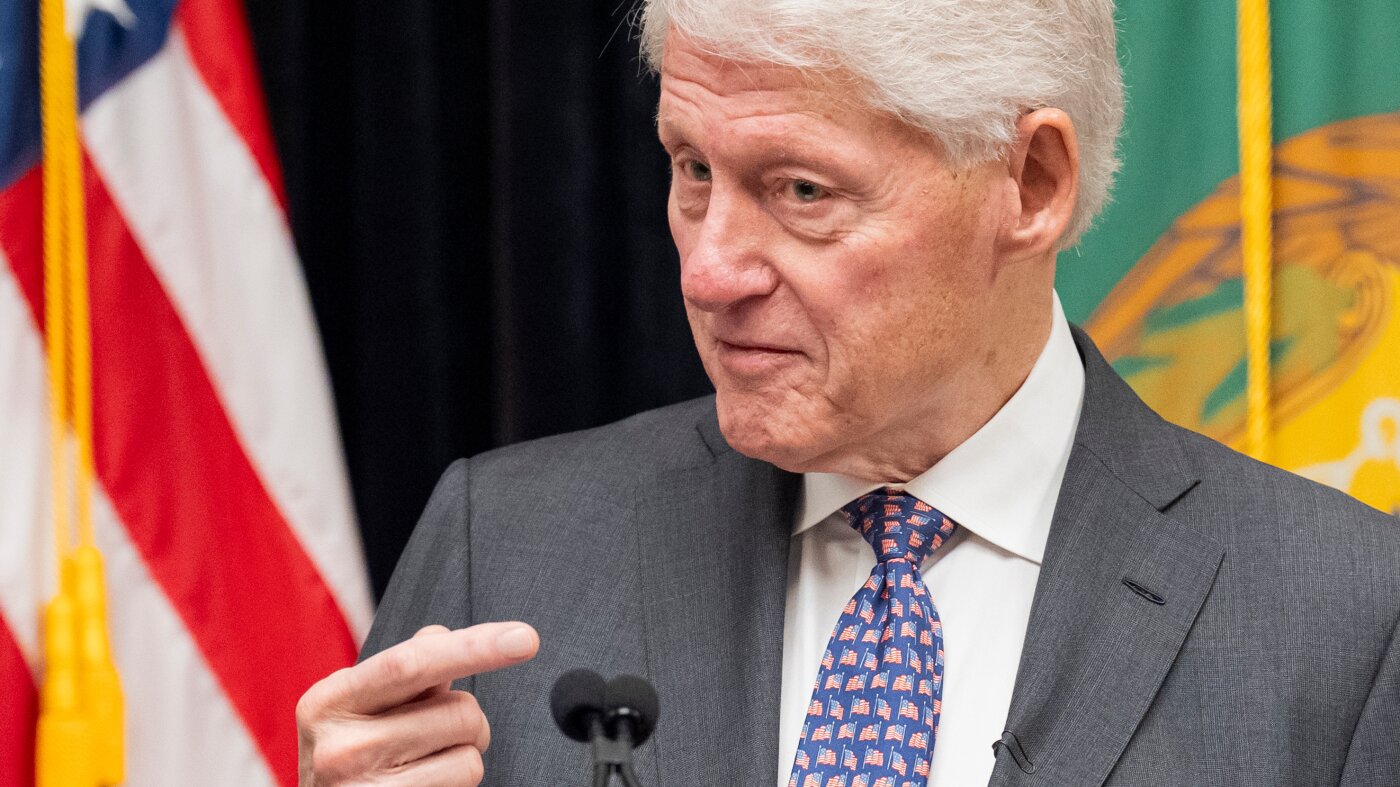
In a rare and highly anticipated event, former President Bill Clinton recently faced hours of intense questioning from members of Congress regarding his past association with the disgraced financier Jeffrey Epstein. The closed-door deposition, which took place in Clinton's hometown of Chappaqua, New York, marked an unprecedented moment in American political history: the first time a former president has been compelled to testify before a congressional committee. Despite the rigorous inquiry and the lingering public curiosity surrounding Bill Clinton's relationship with Epstein, the session concluded without any charges being leveled against the former commander-in-chief.
The grilling came amidst mounting pressure on public figures connected to Epstein, particularly those whose ties continued after his 2008 conviction for soliciting prostitution from an underage girl. For years, the nature and extent of Bill Clinton's interactions with Epstein have been a subject of speculation and scrutiny, amplifying the political stakes of this congressional inquiry.
An Unprecedented Grilling: Bill Clinton's Congressional Testimony
The six-hour deposition saw Bill Clinton directly address the long-standing questions about his links to Jeffrey Epstein, a relationship that largely predates Epstein's widely known legal troubles. In an opening statement later shared on social media, Clinton firmly asserted his innocence, stating, "I saw nothing, and I did nothing wrong." This declaration set the tone for the marathon session, where lawmakers probed the former president on every conceivable aspect of his association with Epstein.
The significance of this event cannot be overstated. It was not only unique for a former president to be deposed by Congress but also came just a day after his wife, former Secretary of State Hillary Clinton, underwent her own seven-hour deposition on similar matters. She reportedly stated she did not recall ever meeting Epstein and had no relevant information. The Clintons had initially resisted calls to testify, framing them as politically motivated attacks, but ultimately agreed to cooperate when faced with the prospect of being held in contempt of Congress.
The House Oversight Committee, primarily driven by Republican members, has been keen to understand the full scope of Epstein's network and how high-profile individuals maintained contact with him. This scrutiny reflects a broader societal demand for accountability, especially concerning those who may have overlooked or ignored warning signs about Epstein's illicit activities. For more details on the questions posed during these high-profile sessions, you can read Inside the Clintons' Epstein Depositions: Key Questions.
Navigating Decades-Old Connections and "Selective Memory"
A central challenge in the congressional questioning of Bill Clinton revolved around the timeline of his interactions with Jeffrey Epstein. Clinton maintained that his association with Epstein had ceased long before the financier's 2008 guilty plea. This distinction is crucial, as much of the public's and Congress's concern centers on individuals who continued relationships with Epstein after his conviction for sex offenses.
When pressed on the specifics of events that occurred over two decades ago, Clinton acknowledged the difficulty of recalling precise details. However, he remained steadfast in his assertion that he never witnessed any signs of Epstein's sexual abuse. This stance led to varying reactions from the lawmakers present.
- Republican Rep. John McGuire accused Clinton of having a "selective memory," suggesting a deliberate inability to recall inconvenient truths.
- Conversely, other GOP members offered a different perspective. Rep. James Comer, the chair of the House Oversight Committee, described Clinton as "charming" during the questioning.
- Rep. Nick Langworthy remarked that Clinton was "quite candid, perhaps more candid than his attorneys were comfortable," indicating a willingness to engage openly with the committee's questions.
These divergent views highlight the political lens through which such high-profile testimonies are often perceived. While some sought to undermine Clinton's credibility, others seemed to acknowledge his directness, even if the answers didn't fully satisfy all their inquiries. The complexity of recalling events from the distant past, especially under intense scrutiny, is a common challenge in legal and investigative proceedings.
The Verdict: No Accusations Leveled and Shifting Focus
Perhaps the most significant outcome of Bill Clinton's deposition was the immediate aftermath: Republican members of the House Oversight Committee did not level any accusations of wrongdoing against him. As they departed Chappaqua, lawmakers indicated their intention to review the extensive depositions from both Clintons but also stated that their attention was largely shifting to other individuals within Epstein's orbit.
This conclusion is a critical development for Bill Clinton. Despite the intense public and political pressure, the congressional inquiry did not find grounds to accuse him of illicit activity related to Epstein. This doesn't entirely silence the ongoing questions from the public or those who remain skeptical, but it does mark a formal point where the congressional committee involved moved on without implicating the former president.
The focus on "accountability" remains a driving force behind these investigations. As Rep. Comer articulated, "We have questions about anyone who spent time with Epstein post-conviction. Once you knew Jeffrey Epstein was a sex offender, why did you continue a relationship?" This question underpins the broader effort to understand how powerful individuals may have enabled or ignored Epstein's behavior, inadvertently or otherwise. However, Bill Clinton's consistent stance, as he highlighted in his testimony, is that his association with Epstein concluded before the 2008 conviction, a key point in his defense against continued scrutiny.
Broader Implications: Accountability and Public Scrutiny
The congressional grilling of Bill Clinton on his Epstein ties underscores several broader implications for public figures and the nature of accountability in the modern era. The persistent public fascination with Epstein's network, even years after his death, reflects a deep-seated demand for transparency and justice, especially when the powerful are involved. These investigations serve as a reminder that past associations, no matter how distant, can resurface and demand answers, particularly in an age of instant information and heightened ethical standards.
For high-profile individuals, the challenge lies not only in demonstrating personal innocence but also in navigating the perception of their past relationships. The political theater surrounding such depositions highlights the difficulty in separating genuine oversight from partisan agendas, yet both play a role in shaping public discourse. The scrutiny faced by Bill Clinton regarding his Epstein ties is a potent example of how public trust, once eroded, is incredibly difficult to fully restore, regardless of legal outcomes.
Moreover, the case highlights the evolving standards of association. What might have been considered a casual or permissible acquaintance decades ago is now viewed through a much stricter lens, especially concerning individuals with known criminal histories. This shift has significant implications for anyone in the public eye, emphasizing the importance of diligence and careful consideration of one's contacts.
In conclusion, former President Bill Clinton's congressional deposition concerning his ties to Jeffrey Epstein was a moment of significant political and historical interest. Despite facing hours of intense questioning and accusations of "selective memory" from some lawmakers, Clinton consistently maintained his innocence, stating he "did nothing wrong" and saw no signs of abuse. Crucially, the proceedings concluded with no charges being leveled against him by the House Oversight Committee, which indicated a shift in focus to other individuals. While the deposition may not fully satisfy all public inquiries, it marks a formal point in the ongoing, complex saga surrounding Jeffrey Epstein's network and the quest for accountability among his high-profile associates.